
Bobcat, Lynx and Mountain Lion
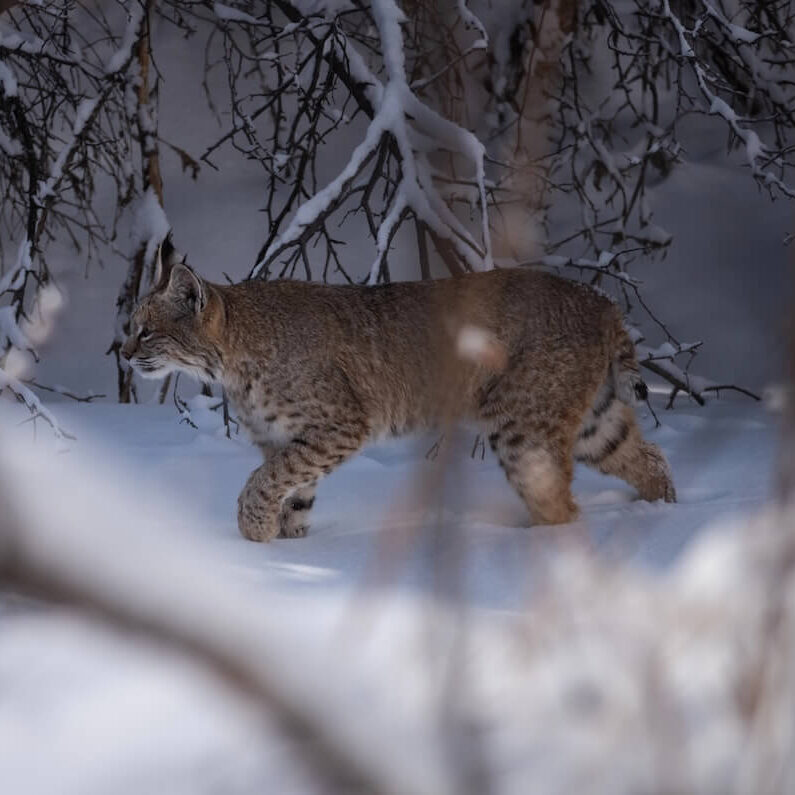
Bobcat
Bobcats are smaller and more commonly encountered than mountain lions, though they remain elusive and primarily nocturnal. In Summit County they occupy a variety of habitats, including sagebrush valleys, forest edges, and lower-elevation woodlands where prey like rabbits, squirrels, and birds are abundant. Bobcats are recognizable by their short “bobbed” tail, tufted ears, and spotted coat, which provides excellent camouflage in rocky and brushy terrain. Unlike the larger and rarer Canada lynx, bobcats are well adapted to mixed and lower-elevation habitats, allowing them to maintain stable populations across much of the county.
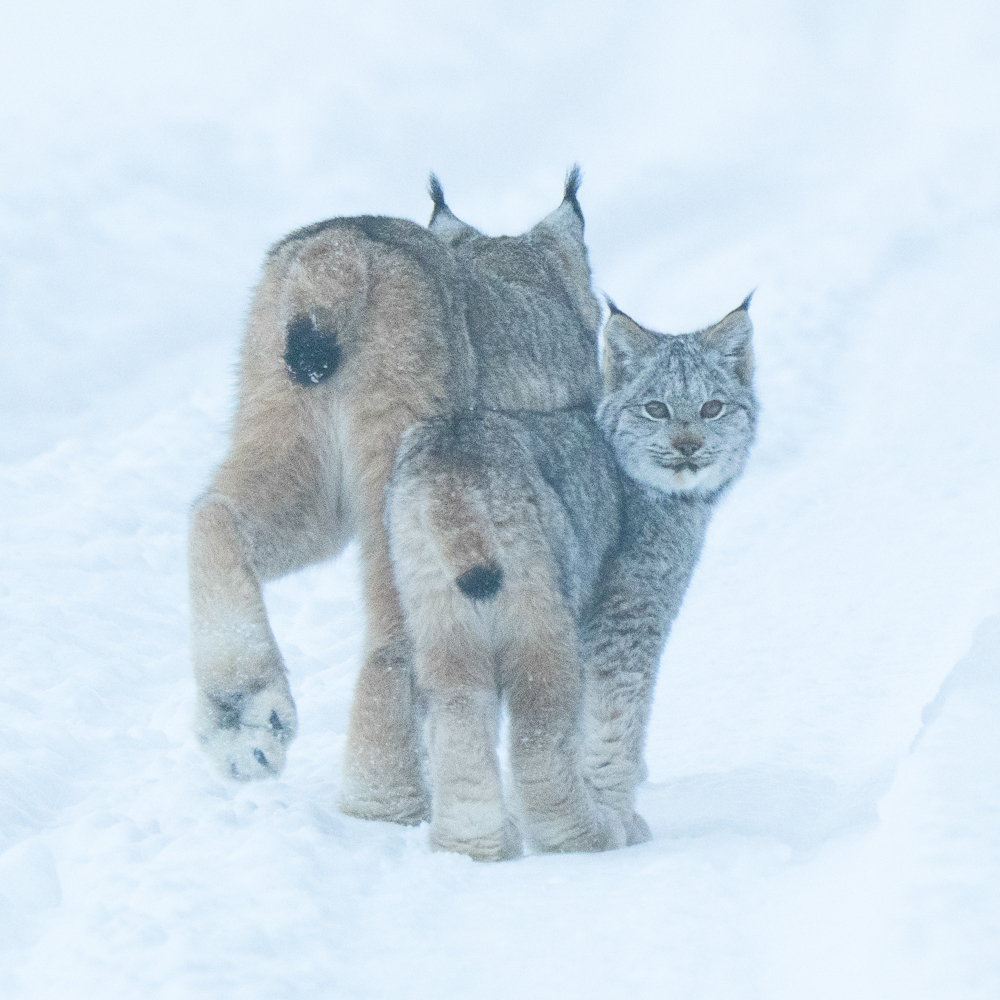
Lynx
The Canada lynx, a captivating and elusive wild cat native to northern North America, stands out with its tufted ears, long legs, and distinctive snowshoe-like paws adapted for traversing snowy landscapes. This species is listed as “Threatened” under the Endangered Species Act, meaning their habitat is subject to protective measures and disturbance mitigation. If you’re fortunate enough to spot a Canada lynx, it’s essential to maintain a respectful distance and observe quietly. Lynxes are generally shy and prefer to avoid human interaction. Do not approach or feed them, as maintaining their natural behavior is crucial for their well-being.
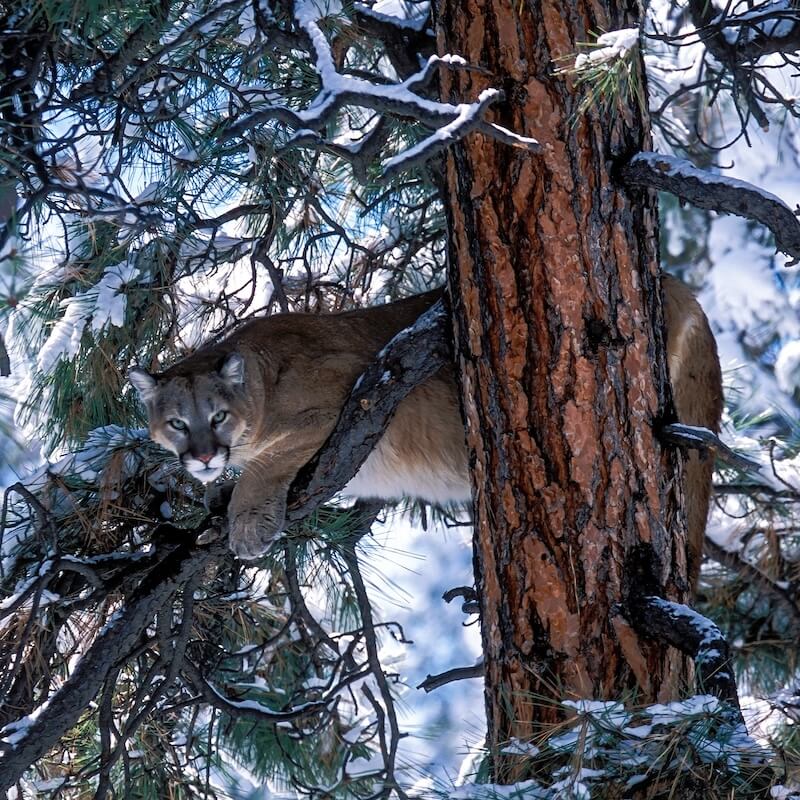
Mountain Lion
Mountain lions, also known as cougars, are the largest native feline in Summit County and serve as the region’s primary apex predator. They inhabit forested slopes, rocky outcrops, and remote backcountry areas, using the dense cover and rugged terrain to stalk prey such as mule deer and the occasional elk calf. Mountain lions are solitary and highly elusive, so sightings are rare despite their presence throughout the county. They are most active at dawn and dusk and may travel long distances along ridgelines and drainages.
 French
  English
  Spanish